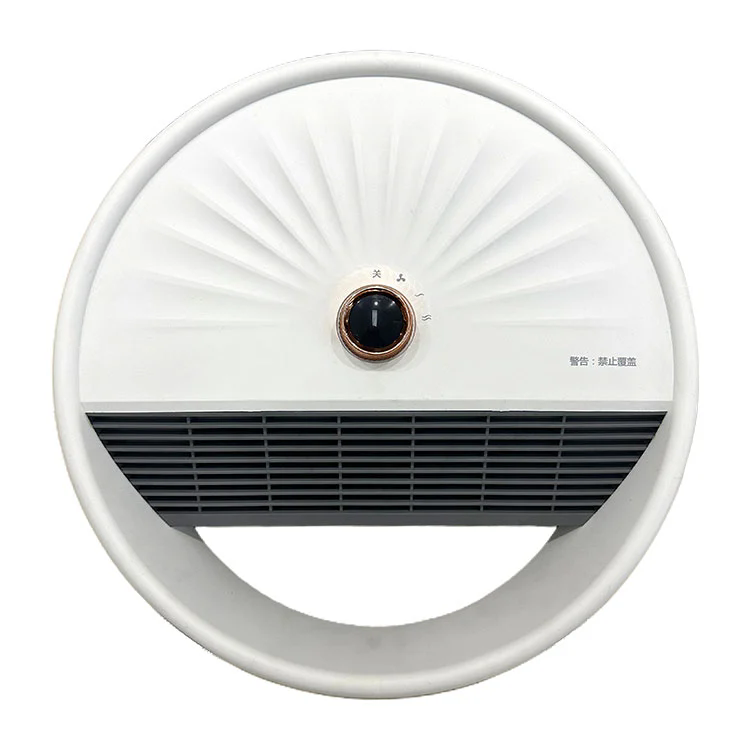
LENOVO PTC Heater With Handle
কালার:
ঢাকা সিটির বাইরে ডেলিভারি চার্জ ১৩০ টাকা
Adopting a contact heating method, PTC Heater With Handle avoids safety accidents caused by long-term contact; it has an overheating protection function, and will automatically cut off power when the temperature reaches the set value; is equipped with a thermostatic switch, which can automatically cut off power when the air outlet is blocked by the fan; it is equipped with a tip-over switch, which can immediately stop the heating function when the heater is tipped over, preventing accidents; In addition, the heating device's components and housing materials are made of fireproof, high- resistant materials, further ensuring the safety of use.
A representative technical specification of the Heater is shown below:
| Parameter | Typical Value / Description |
|---|---|
| Input Power | e.g., 1.5 kW to 10 kW (depending on model) |
| Voltage | e.g., 120 V or 230 V single-phase (or 3-phase options) |
| Heating Capacity | ~5,118 BTU/hr at 1.5 kW (per published data) |
| Mounting / Installation | Wall or ceiling mount, compact profile |
| Safety Features | Over-temperature protection, tip-over or mounting clearance specified |
| Efficiency / Heat Delivery | Fast response, uniform distribution, no combustion by-products |
These parameters illustrate that the Heater is designed for modern heating demands: rapid warm-up, safe operation, compact footprint, and high control flexibility.
Why does the Heater matter—what market needs does it address?
(a) Energy efficiency and clean operation
Electric resistance and infrared heating technologies allow nearly complete conversion of electricity into usable heat—meaning very high thermal efficiency.In an era of increasing energy costs and tightening environmental regulations, being able to deploy heating devices that avoid combustion, minimize emissions, and provide heat quickly is a major advantage.
(b) Faster responsiveness and improved comfort
Traditional heating systems (fuel-based, central furnaces) often have delays and temperature swings. The modern Heater delivers rapid heat, and uniform delivery across a space—supporting better occupant comfort and fewer hot/cold zones. For example, an outdoor-rated infrared design enabled a 15 °C rise in a targeted footprint in lab conditions.
(c) Versatility in installation and application
The Heater’s design allows wall or ceiling mounting, a range of wattages, and both domestic and commercial use cases (garages, workshops, industrial spaces).This adaptability helps suppliers and installers cover a broad segment of the heating market with fewer SKUs and fewer infrastructure changes.
(d) Future-proofing in a competitive environment
As heating demands evolve—driven by smarter controls, demand for cleaner indoor air, and integration with building automation—the Heater offers a platform that supports these trends. For instance, the shift toward IoT enabled thermostats and variable output heating demands components that can respond flexibly. Its technology aligns with those evolving trends.
How does one select, deploy and optimise a Heater?
This section explains key decision-points and practical deployment steps—structured as three sub-steps: selection, installation & commissioning, and operational optimisation.
Selection: choosing the right model
Determine required heating capacity based on space size, ceiling height, insulation quality. As a rule-of-thumb, about 10 W per square foot for standard rooms; for taller ceilings or poor insulation increase accordingly.
Check voltage compatibility: ensure model supports local mains (120 V, 230 V, or 3-phase if industrial).
Match mounting type (wall, ceiling, portable) to site.
Evaluate control and safety features: thermostat capability, over-temperature shutoff, tip-over or clearance protections.
Confirm duty cycle and environment: for outdoor or industrial use pick units rated for moisture, dust, etc. The specification sheet gives mounting clearance values and environmental ratings.
Installation & commissioning
Follow clearance and mounting guidelines: the design guide specifies clearances based on mounting angle.
Ensure proper electrical supply and wiring; verify full-load current, use appropriately rated circuit breakers. The engineering guide outlines considerations: voltage, current, insulation, environmental conditions.
Configure controls and set the desired set-point. For example, with remote or timer functions in some models.
Test the unit: verify heat output, check that the safety systems engage properly (e.g., shutoff on tip-over or temperature exceedance).
Document installation (location, serial number, settings) for future maintenance.
Operational optimisation and maintenance
Monitor actual performance vs. expected: measure temperature rise, verify heat distribution. Adjust thermostat or mounting if needed.
Maintain cleanliness: dust build-up or blocked airflow can reduce performance or cause safety issues.
Use scheduling/timer features to avoid inefficient runtime. On intermittent usage spaces, shut down when not needed.
Review safety features periodically: ensure tip-over sensor, over-temp sensor are functioning.
For larger installations (industrial/commercial), integrate with building control systems where applicable—this supports smarter load shedding, energy optimisation and maintenance planning.
Frequently Asked Questions (FAQ)
Q1: How much space can a typical 1.5 kW heater warm effectively?
A1: A commonly accepted guideline is roughly 10 W per square foot for rooms with standard 8-foot ceilings and reasonable insulation. That equates to about 150 sq. ft (≈14 m²) for a 1.5 kW unit. If ceilings are higher or insulation is poorer, you may need to increase capacity by 20-30%.
Q2: What installation clearances and safety features should be verified?
A2: The installation reference guide for the type of Heater provides specific clearances to combustible materials and mounting angle-specific distances. For example, models mounted at 0° (horizontal) may require 13″ from side and end surfaces; at 45° mounting the clearance might increase.Additionally, ensure that the unit’s safety features—such as over-temperature shut-offs, tip-over sensors (for portable units), and proper electrical protection—are in place and tested at installation.
Concluding Summary
In today’s heating market, achieving high performance means more than simply delivering warmth. The right product must deliver rapid response, high efficiency, flexible mounting, safe operation and compatibility with evolving building systems. The Heater described here meets these criteria—offering a strong, future-oriented solution for suppliers, installers and end-users alike. As markets continue to evolve toward smarter controls, increased energy focus and cleaner operation, selecting a versatile and well-spec’d heater will be a strategic decision.

Related products


Promotional Offers